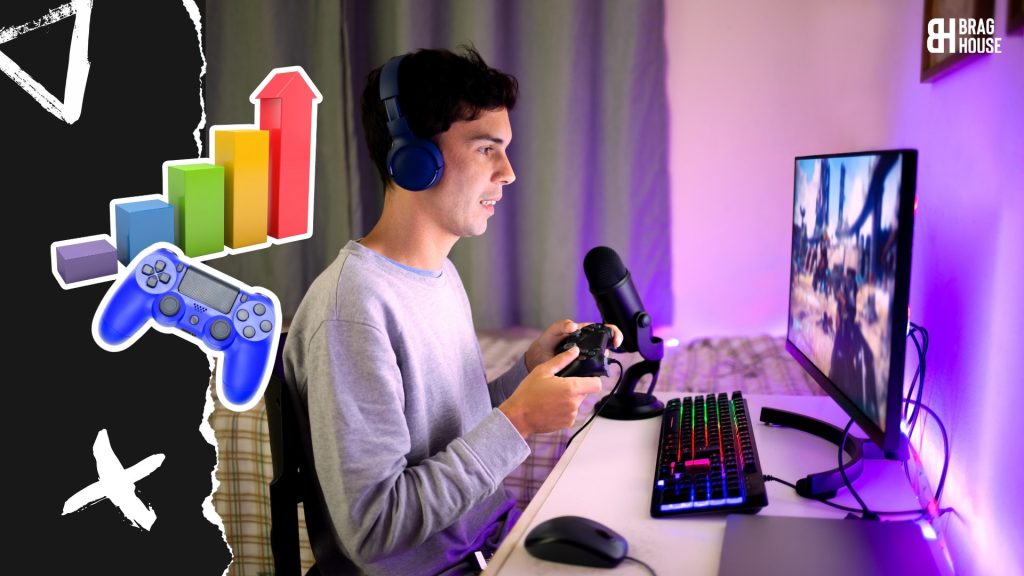
Gaming is no longer a niche pastime. It’s becoming mainstream culture. The online casual games market is projected to grow from about $21.7 billion in 2025 to $29.3 billion by 2030, growing at a CAGR of 6.1% (Mordor Intelligence). Where rivalries once lived only on the field, they now extend into digital spaces where students, fans, and casual gamers bring the same energy, excitement, and school pride online.
Authenticity Matters to Gen Z
Gen Z is quick to call out brands that feel forced or opportunistic. According to Deloitte, 64% of Gen Z say they will engage with brands only if those brands provide meaningful, authentic experiences. For gaming, this means sponsors cannot simply slap a logo on a screen. They must create experiences that fans want to join.
Authenticity for college gamers can look like branded challenges, sponsored digital currencies, or co-created tournaments that make fans feel part of the action rather than marketed to.
Scalable Technology Makes the Difference
One of the challenges schools face is scale. It is not enough to host a single event. Programs need infrastructure that allows for tournaments across multiple campuses, live streaming and content creation, and community engagement tools that keep fans involved year round.
Mobile adoption adds another layer of scalability. Globally, more than 80% of gamers play on mobile devices, making it the most popular platform for casual gaming (Newzoo). That means platforms need to support engagement on every screen — from arenas and student centers to their smartphones in the stands and laptops in their rooms.
Sponsor Ready Impact
Sponsors are chasing measurable results. Gaming audiences deliver. In the U.S., there are 212 million digital gamers, and advertisers are responding. Games ad revenue reached $7.5 billion in 2023 and is projected to grow to nearly $11.5 billion by 2027. Most marketers now run gaming continuously throughout the year (78%), and 85% say they can measure it using the same metrics as other media. (IAB: Changing the Game – How Games Advertising Powers Performance, March 2024)
By integrating into events, tournaments, digital reward systems, or branded broadcasts, sponsors gain not only reach but the opportunity to build genuine connections and credibility with their targeted audiences. Done right, these partnerships are not ad buys. They are cultural investments that strengthen community and brand affinity.
The Takeaway
The future of casual college gaming is not about bigger events alone. It is about building authentic, scalable ecosystems where students, alumni, fans, and brands all participate in the experience. The schools and sponsors that commit now will not just ride the wave. They will own the next era of campus culture.
👉 Ready to engage Gen Z authentically at scale? Brag House makes it possible.